Come individuare il greenwashing nella moda: la verità dietro le affermazioni di "sostenibilità"
L'industria della moda è entrata nella sua era della sostenibilità — o almeno, questo è ciò che molti marchi vogliono far credere ai consumatori. Parole come ecologico, consapevole, green, etico e sostenibile compaiono ovunque, dalle passerelle di lusso alle campagne di marketing del fast-fashion. Ma dietro molte di queste etichette si nasconde un problema crescente: il greenwashing.
Il greenwashing si verifica quando un'azienda si presenta come ambientalmente responsabile senza apportare cambiamenti significativi alle sue pratiche. Nel settore della moda, questo può variare da un linguaggio di marketing vago a affermazioni fuorvianti su materiali, produzione o neutralità carbonica. Man mano che i consumatori diventano più consapevoli, i marchi hanno imparato che la sostenibilità vende — e alcuni usano questa domanda più come strategia di branding che come un impegno autentico.
La sfida oggi non è semplicemente trovare la moda sostenibile. Si tratta di imparare a separare la responsabilità autentica da un'illusione accuratamente progettata.
Perché il Greenwashing è Così Comune nella Moda
La moda è una delle industrie più ad alta intensità di risorse al mondo. Dipende fortemente da acqua, prodotti chimici, energia, spedizioni globali e produzione di massa. Trasformare veramente una catena di approvvigionamento richiede tempo, investimenti, trasparenza e spesso una completa riprogettazione dei sistemi di produzione.
Ecco perché alcune aziende scelgono la strada più facile: commercializzare la sostenibilità invece di costruirla.
Un marchio può lanciare una "collezione verde" mentre il resto della sua attività continua a operare attraverso cicli di sovrapproduzione e consumo usa e getta. Altri promuovono tessuti riciclati ignorando le condizioni di lavoro o l'eccessivo spreco. Alcuni usano parole vaghe come "naturale" o "amico del pianeta" senza fornire prove, certificazioni o impatto misurabile.
La sostenibilità autentica non è mai solo un materiale o una campagna. È un sistema.
I Più Grandi Segnali d'Allarme del Greenwashing
- Linguaggio Vago sulla Sostenibilità
Uno dei modi più semplici per individuare il greenwashing è attraverso un linguaggio poco chiaro. Termini come "eco-consapevole", "verde", "amico della terra" o "ispirato alla sostenibilità" spesso non hanno una definizione legale.
Se un marchio non può spiegare:
- quali materiali vengono utilizzati,
- da dove provengono,
- come vengono prodotti i capi,
- o quali standard sono verificati,
allora l'affermazione di sostenibilità potrebbe essere più marketing che realtà.
La trasparenza conta più degli slogan.
2. Nessuna Prova o Certificazione
I marchi sostenibili credibili di solito forniscono informazioni misurabili e certificazioni di terze parti. Queste possono includere:
- GOTS (Global Organic Textile Standard),
- fibre certificate FSC,
- OEKO-TEX,
- certificazione vegana approvata PETA,
- o reporting verificato della catena di approvvigionamento.

Senza prove, le affermazioni di sostenibilità rimangono difficili da verificare.
Ad esempio, Benedetti Life discute apertamente l'uso di tessuti a base vegetale, cotone organico, materiali biodegradabili e metodi di produzione cruelty-free. Il marchio spiega anche materiali specifici come lyocell di eucalipto, pelle d'oliva e fibre certificate biologiche, piuttosto che basarsi solo su messaggi generici di sostenibilità. (Benedetti Life)
I marchi autentici tendono a educare i consumatori. I marchi che praticano il greenwashing tendono a pubblicizzare emozionalmente senza dettagli.
3. "Collezioni Sostenibili" All'Interno dei Sistemi Fast Fashion
Un altro importante segnale d'allarme è quando i marchi lanciano piccole "eco-collezioni" continuando altrove la sovrapproduzione di massa.
Un'azienda che produce migliaia di capi basati sulle tendenze settimanalmente non può diventare sostenibile solo attraverso una capsule collection riciclata limitata. La sostenibilità riguarda la riduzione degli sprechi, il rallentamento della produzione, il miglioramento della durabilità e il cambiamento delle pratiche commerciali su larga scala.
I consumatori dovrebbero chiedere:
1.La sostenibilità è integrata in tutto il marchio?
2.O è isolata in una campagna di marketing?
La vera sostenibilità cambia le operazioni — non solo le immagini pubblicitarie.
4. Mancanza di Trasparenza nella Catena di Approvvigionamento
La moda etica include più dei materiali. Le condizioni di lavoro, i processi di produzione e la trasparenza dell'approvvigionamento contano allo stesso modo.
I marchi seriamente impegnati nella sostenibilità di solito divulgano:
- regioni di produzione,
- partner di produzione,
- metodi di approvvigionamento,
- e impegni ambientali.
Quando le aziende evitano di discutere dove vengono prodotti i prodotti, diventa difficile valutare se le affermazioni etiche siano genuine.
5. Eccessiva Enfasi sull'Imballaggio
A volte i marchi si concentrano molto sull'imballaggio riciclabile ignorando l'impatto ambientale del capo stesso.
Un imballaggio riciclato non compensa l'eccessiva sovrapproduzione, l'inquinamento sintetico o la produzione sfruttatrice.
La sostenibilità dell'imballaggio è importante — ma non dovrebbe mai diventare il fulcro di una strategia di sostenibilità.
L'Ascesa della Moda di Lusso a Base Vegetale
Uno dei cambiamenti più promettenti nella moda sostenibile è lo sviluppo di tessuti a base vegetale e materiali biodegradabili.
Designer innovativi stanno sempre più superando la pelle tradizionale e i tessuti sintetici a base di petrolio, orientandosi verso materiali ricavati da:
- eucalipto,
- ananas,
- scarti di olive,
- scarti di mele,
- bambù,
- funghi,
- e tessuti naturali riciclati.
Tra i designer che contribuiscono a plasmare questo movimento c'è la direttrice creativa slovena Matea Benedetti, fondatrice di Benedetti Life. La sua storia riflette come la sostenibilità possa andare oltre il linguaggio delle tendenze e diventare una filosofia di design completa. (Benedetti Life)
Matea Benedetti: La Moda Come Voce per la Natura
Matea Benedetti ha iniziato il suo percorso creativo studiando presso la Utrecht School of the Arts nei Paesi Bassi prima di lavorare come costumista per teatri e produzioni operistiche. Col tempo, si è concentrata sempre più sull'impatto ambientale ed etico della produzione di moda.

Nel 2014, ha fondato Benedetti Life con una visione chiara: la moda dovrebbe proteggere la vita piuttosto che sfruttarla. Invece dei tradizionali materiali di lusso di origine animale, Benedetti ha esplorato alternative create da fonti naturali e riciclate, tra cui mele, olive, alghe, fibre di ananas, eucalipto e cotone organico. (Benedetti Life)
Il suo lavoro ha ottenuto riconoscimenti internazionali attraverso apparizioni agli Oscar, a Cannes, al Festival del Cinema di Venezia e a forum sulla sostenibilità, incluso il COP28. In seguito ha ricevuto il PETA Vegan Fashion Award per la sua White Tiger Collection. (Benedetti Life)
Ciò che distingue il lavoro di Benedetti non è solo l'estetica ma la coerenza. La sostenibilità è incorporata nei materiali, nella filosofia di produzione, nella narrazione e nella visione a lungo termine del marchio.
Questa distinzione è esattamente ciò che separa la moda sostenibile autentica dal greenwashing.
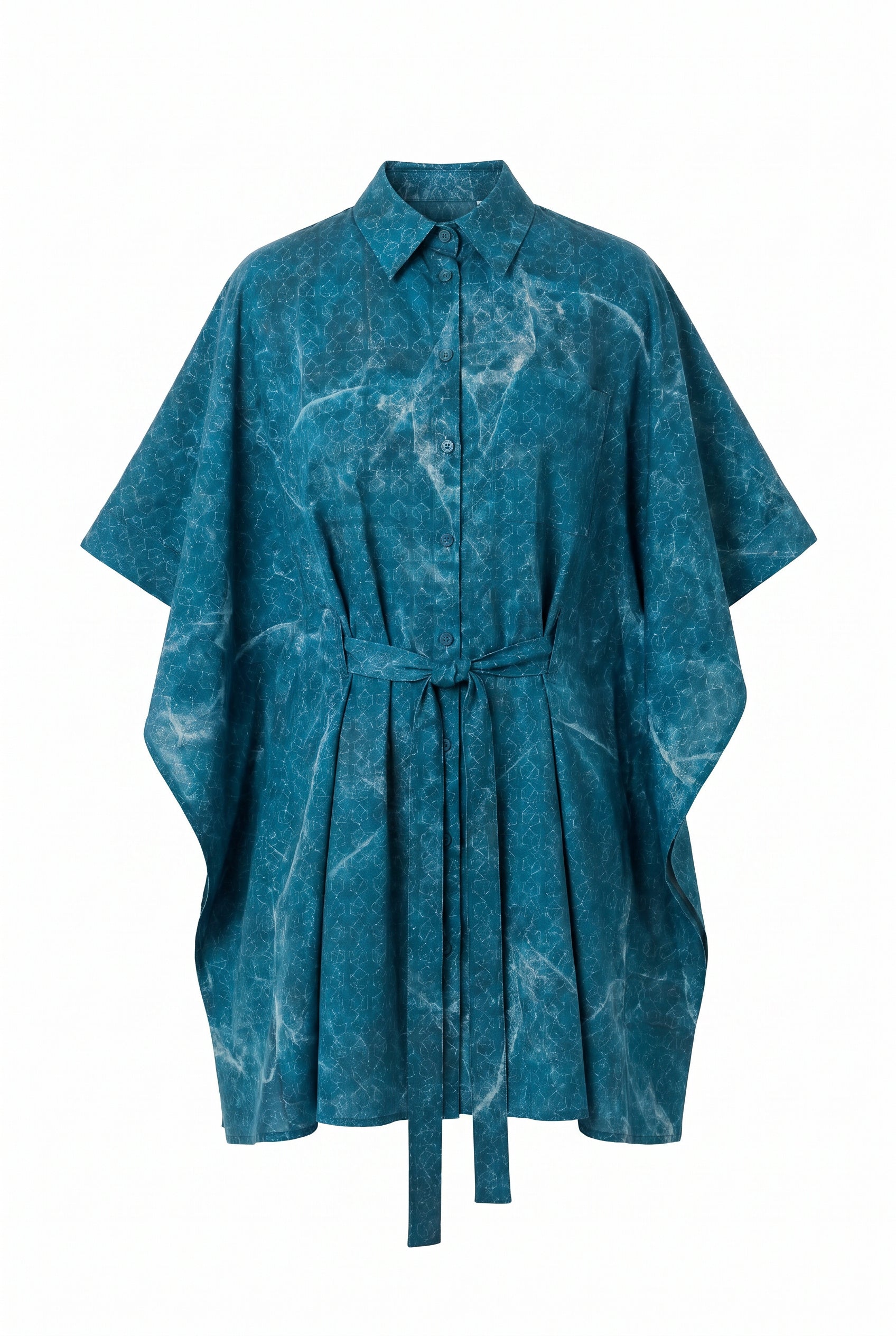
L'Abito Drappeggiato in Eucalipto Whale Harmony: Un Caso di Studio sulla Sostenibilità Trasparente

Un forte esempio di narrazione trasparente è l'Abito Drappeggiato in Eucalipto Whale Harmony.
Invece di fare affermazioni generiche "eco", il design enfatizza:
- fibre di lyocell a base di eucalipto,
- tessuti biodegradabili e di origine vegetale,
- costruzione senza tempo,
- produzione cruelty-free,
- e artigianato in edizione limitata.
Il marchio spiega anche perché viene utilizzato il lyocell di eucalipto. Secondo Benedetti Life, la produzione di lyocell opera attraverso un sistema a ciclo chiuso che ricicla i solventi e riduce gli sprechi rispetto alla produzione tessile convenzionale. (Benedetti Life)
Questo livello di specificità è importante.
Il greenwashing si basa sul marketing emozionale senza prove.
- La vera sostenibilità di solito include:
- trasparenza dei materiali,
- informazioni educative,
- dettagli di produzione,
- e ragioni ambientali misurabili.
Come i Consumatori Possono Fare Scelte Più Intelligenti
Il futuro della moda sostenibile dipende non solo dai marchi, ma anche dai consumatori informati.
- Prima di acquistare, chiedi:
- Di cosa è fatto realmente questo capo?
- L'affermazione di sostenibilità è misurabile?
- Il marchio divulga i dettagli di produzione?
- Il capo è progettato per durare?
- L'azienda privilegia la qualità rispetto alla quantità?
- Sono disponibili certificazioni o standard di terze parti?
Soprattutto, i consumatori dovrebbero ricordare che la sostenibilità non è perfezione. Nessun sistema di moda è completamente privo di impatto. L'obiettivo non è il consumo impeccabile, ma una presa di decisione più consapevole.
Il Futuro della Moda Dipende dalla Trasparenza
Man mano che la consapevolezza ambientale cresce, i consumatori chiedono maggiore onestà ai marchi di moda. La trasparenza sta diventando il nuovo lusso.
I marchi che investono genuinamente nell'innovazione sostenibile, nell'artigianato etico e nei materiali responsabili stanno contribuendo a ridefinire ciò che la moda può diventare. Altri continueranno a fare affidamento su campagne vaghe e messaggi "verdi" superficiali.
La differenza spesso si riduce a un semplice principio:
Se un marchio non può spiegare chiaramente la sua sostenibilità, potrebbe non essere affatto veramente sostenibile.