Prihodnost mode: luksuz, trajnost in zavestni izbori proti hitri modi
Zakaj naslednjo generacijo luksuza ne opredeljuje več le ekskluzivnost – temveč etika, inovativnost in odgovornost.
Moda je od nekdaj odražala vrednote svojega časa. Desetletja je bil luksuz povezan z redkostjo, izdelavo in statusom, medtem ko je hitra moda obljubljala dostopnost in neskončne trende. Danes pa industrijo preoblikuje nova sila: trajnostna in veganska moda.
Potrošniki postavljajo globlja vprašanja. Kdo je izdelal ta kos oblačila? Kakšni materiali so bili uporabljeni? Kakšen vpliv je imel na ljudi, živali in planet?
Ker se podnebne skrbi krepijo in preglednost postaja nov standard zaupanja, modna industrija stoji na razpotju. Prihodnost ne bo pripadala blagovnim znamkam, ki preprosto ustvarjajo lepe izdelke. Pripadala bo tistim, ki lepoto ustvarjajo odgovorno.
Ključni poudarki
- Tradicionalna luksuzna moda ostaja sinonim za obrt in dediščino, vendar se sooča z vse večjim nadzorom nad okoljskimi in etičnimi praksami.
- Hitra moda je ena izmed industrijsko najbolj intenzivnih na svetu, ki znatno prispeva k onesnaževanju, odpadkom in prekomerni porabi.
- Trajnostna in veganska moda združuje inovativnost, etiko in oblikovalsko odličnost, hkrati pa zmanjšuje vpliv na okolje.
- Potrošniki vse bolj favorizirajo blagovne znamke, ki dajejo prednost preglednosti, krožnosti in materialom brez krutosti.
- Prihodnost luksuza leži v odgovornih inovacijah in ne v izkoriščanju virov.
Trije obrazi sodobne mode
Današnja modna pokrajina se lahko na splošno razdeli v tri kategorije:
1. Tradicionalna luksuzna moda
Luksuzne modne hiše, kot so Louis Vuitton, Chanel, Dior in Hermès, so si sloves zgradile na izjemni izdelavi, dediščini in ekskluzivnosti.
Te blagovne znamke močno vlagajo v obrtniške spretnosti, vrhunske materiale in brezčasen dizajn. Njihovi izdelki so pogosto narejeni tako, da trajajo desetletja, kar jih postavlja v izrazito nasprotje do modnih oblačil za enkratno uporabo.
Vendar pa se tradicionalni luksuz sooča z naraščajočo kritiko glede:
- Uporabe eksotičnih kož in živalskih materialov
- Visokega ogljičnega odtisa zaradi globalnih dobavnih verig
- Omejene preglednosti glede praks nabave
- Prekomerne proizvodnje sezonskih kolekcij
Po poročilu McKinsey & Company in Global Fashion Agende je modna industrija odgovorna za približno 4 % globalnih emisij toplogrednih plinov – več kot skupaj mednarodni letalski in pomorski promet.
Luksuz ostaja zaželen, vendar sodobni potrošniki poleg izdelave vse bolj pričakujejo tudi etično odgovornost.

2. Hitra moda
Hitra moda je preoblikovala industrijo, saj je trende naredila cenovno dostopne in takoj dosegljive.
Blagovne znamke, kot so Zara, Shein, Boohoo in Fashion Nova, so zgradile globalne imperije na hitrosti in vsak teden proizvedle na tisoče novih stilov.
Posledice pa so precejšnje.
Po podatkih Programa Združenih narodov za okolje (UNEP):
- Modna industrija letno ustvari približno 92 milijonov ton tekstilnih odpadkov.
- Proizvodnja oblačil se je od leta 2000 podvojila.
- Potrošniki kupujejo več oblačil kot kdaj koli prej, vendar jih hranijo bistveno krajše obdobje.
Poslovni model hitre mode temelji na:
- Hitrih trendnih ciklih
- Nizkocenovni proizvodnji
- Visokoserijski proizvodnji
- Pogosti zamenjavi potrošnikov
Rezultat je sistem, ki spodbuja prekomerno porabo, hkrati pa močno obremenjuje naravne vire in delovne pogoje.
Z naraščanjem ozaveščenosti mlajše generacije vse bolj dvomijo, ali obleka za 15 evrov resnično odraža njene okoljske in socialne stroške.

3. Trajnostna in veganska moda
Trajnostna moda predstavlja temeljni premik v načinu oblikovanja, proizvodnje in porabe oblačil.
Namesto da bi se osredotočale na količino in hitrost, trajnostne blagovne znamke dajejo prednost:
- Okoljski odgovornosti
- Etičnim delovnim praksam
- Materialnim inovacijam
- Dolgoživosti izdelka
- Krožnosti
Veganska moda gre še korak dlje z odpravljanjem materialov živalskega izvora, kot so usnje, krzno, volna, svila in eksotične kože.
Pomembno je, da se sodobni veganski luksuz ne opira več zgolj na sintetične alternative.
Inovativni materiali zdaj vključujejo:
- TENCEL™ Lyocell iz evkaliptusa
- Organski bombaž
- Rastlinske alternative usnju
- Reciklirana vlakna
- Biofabricirani materiali, razviti z biotehnologijo
Po poročilu Vogue Business postaja inovativnost materialov eno najpomembnejših področij naložb v sektorju luksuza, saj blagovne znamke iščejo alternative tradicionalnim materialom, ki so intenzivni glede virov.

Primerjava okoljskih stroškov
Poraba vode
Za proizvodnjo ene bombažne majice je po podatkih Svetovnega sklada za naravo (WWF) potrebnih približno 2.700 litrov vode.
Medtem inovativni materiali z zaprto zanko, kot je TENCEL™ Lyocell, bistveno zmanjšujejo porabo vode in reciklirajo skoraj vsa topila za predelavo.
Emisije ogljika
Raziskave fundacije Ellen MacArthur poudarjajo, da lahko podaljšanje življenjske dobe oblačila za samo devet mesecev zmanjša njegov ogljični odtis, porabo vode in količino odpadkov za do 30 %.
Luksuzna oblačila, zasnovana za dolgo življenjsko dobo, naravno podpirajo to načelo, medtem ko model hitre mode za enkratno uporabo pospešuje emisije.
Nastajanje odpadkov
Vsako sekundo se na odlagališčih ali sežigalnicah po svetu odloži ali sežge ekvivalent smetarskega tovornjaka tekstila, po poročilu "A New Textiles Economy" fundacije Ellen MacArthur.
Izziv ni zgolj proizvodnja – temveč prekomerna proizvodnja.
Zakaj potrošniki izbirajo trajnostni luksuz
Vse več potrošnikov trajnosti ne vidi več kot kompromis.
Dejansko trajnost vse bolj postaja znak kakovosti in prefinjenosti.
Po podatkih Forbesa mlajši potrošniki luksuza – zlasti milenijci in generacija Z – pričakujejo, da bodo blagovne znamke pokazale jasne okoljske in socialne zaveze.
Iščejo:
- Preglednost
- Avtentičnost
- Etično nabavo
- Inovacije brez živali
- Dolgoročno vrednost
Luksuz se razvija od simbola lastništva do odraza osebnih vrednot.
Vzpon veganskega luksuza
Morda se najpomembnejša preobrazba v modi dogaja znotraj samega luksuznega segmenta.
Pionirske blagovne znamke, kot je Stella McCartney, so že pred desetletji pokazale, da luksuz lahko obstaja brez izkoriščanja živali.
Danes se vse več oblikovalcev odloča za:
- Proizvodnjo brez krutosti
- Rastlinske materiale
- Načela krožnega oblikovanja
- Regenerativno nabavo
Premik ni več niša.
Po poročanju Business of Fashion sta trajnost in inovativnost materialov postali strateški prioriteti za luksuzne skupine, ki si prizadevajo za prihodnjo rast.
Potrošniki vse bolj vidijo luksuz brez živali ne kot alternativo – temveč kot naslednjo evolucijo samega luksuza.
Kaj opredeljuje pravi trajnostni luksuz?
Vsaka blagovna znamka, ki se sklicuje na trajnost, si ne zasluži te oznake.
Pristni trajnostni luksuz temelji na več ključnih načelih:
Preglednost
Potrošniki bi morali vedeti, od kod izvirajo materiali in kako se izdelujejo oblačila.
Dolgoživost
Izdelki morajo biti zasnovani tako, da zdržijo fizično in estetsko.
Etična proizvodnja
Pravične delovne prakse bi morale biti vgrajene v celotno dobavno verigo.
Odgovorni materiali
Prednost je treba dati virom z majhnim vplivom, obnovljivim, recikliranim ali biološko razgradljivim virom.
Inovacije brez živali
Prihodnost luksuza vse bolj vključuje alternative brez krutosti, ki odpravljajo nepotrebno škodo.
Ko se predpisi po svetu zaostrujejo, preglednost postaja manj marketinška prednost in bolj poslovna nuja.
Prihodnost mode: Odgovornost kot novi luksuz
Moda vstopa v novo obdobje.
Stara definicija luksuza je temeljila na pomanjkanju.
Nova definicija temelji na odgovornosti.
Potrošniki ne občudujejo več izdelkov samo zato, ker so dragi. Občudujejo jih, ker predstavljajo inteligenco, izdelavo, inovativnost in spoštovanje do sveta okoli nas.
Hitra moda morda še naprej prevladuje po količinah, vendar trajnostni luksuz vse bolj oblikuje težnje.
Prihodnost pripada blagovnim znamkam, ki so sposobne dokazati, da lepota ne zahteva izkoriščanja in da inovativnost lahko sobiva z eleganco.
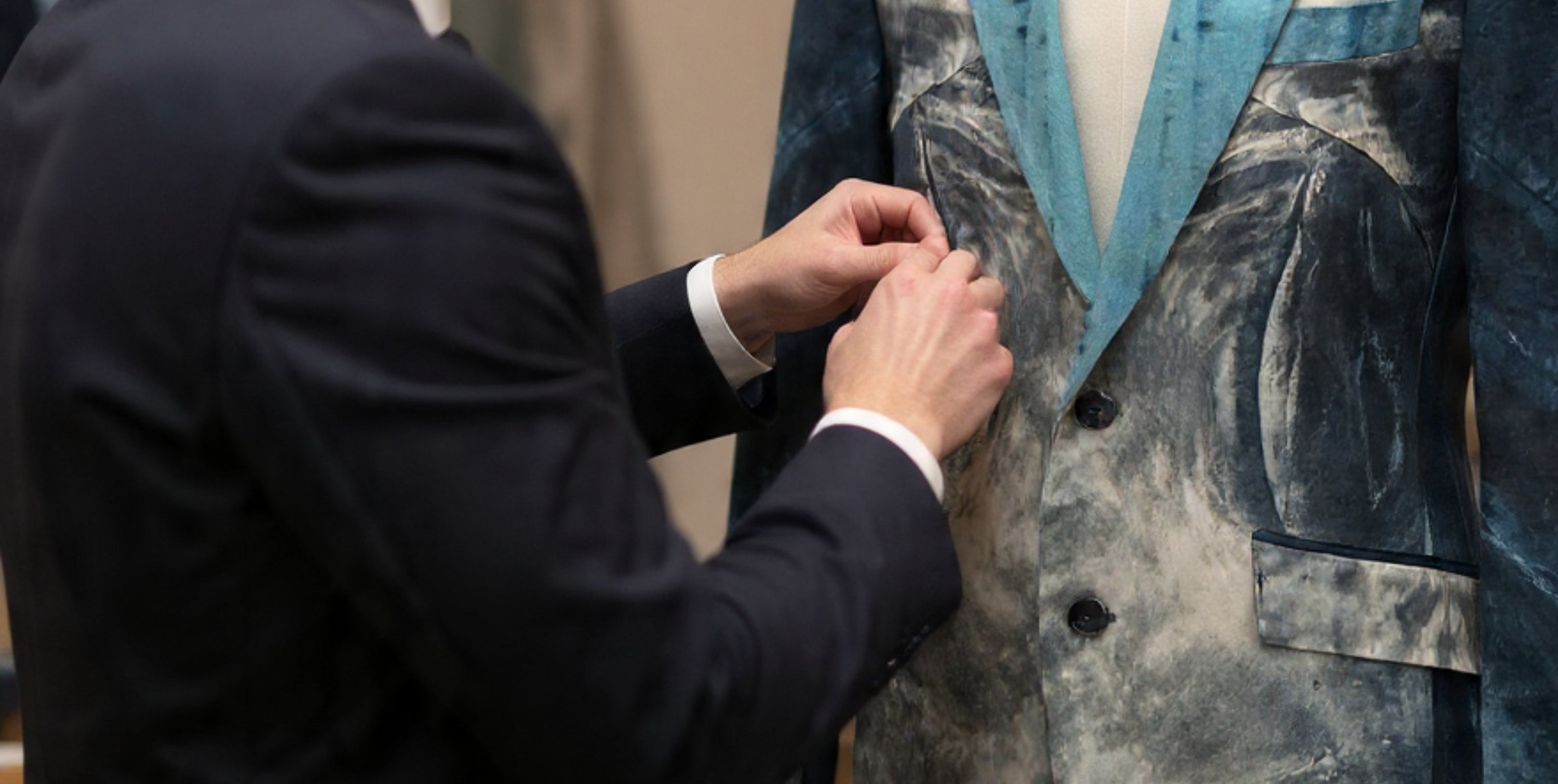
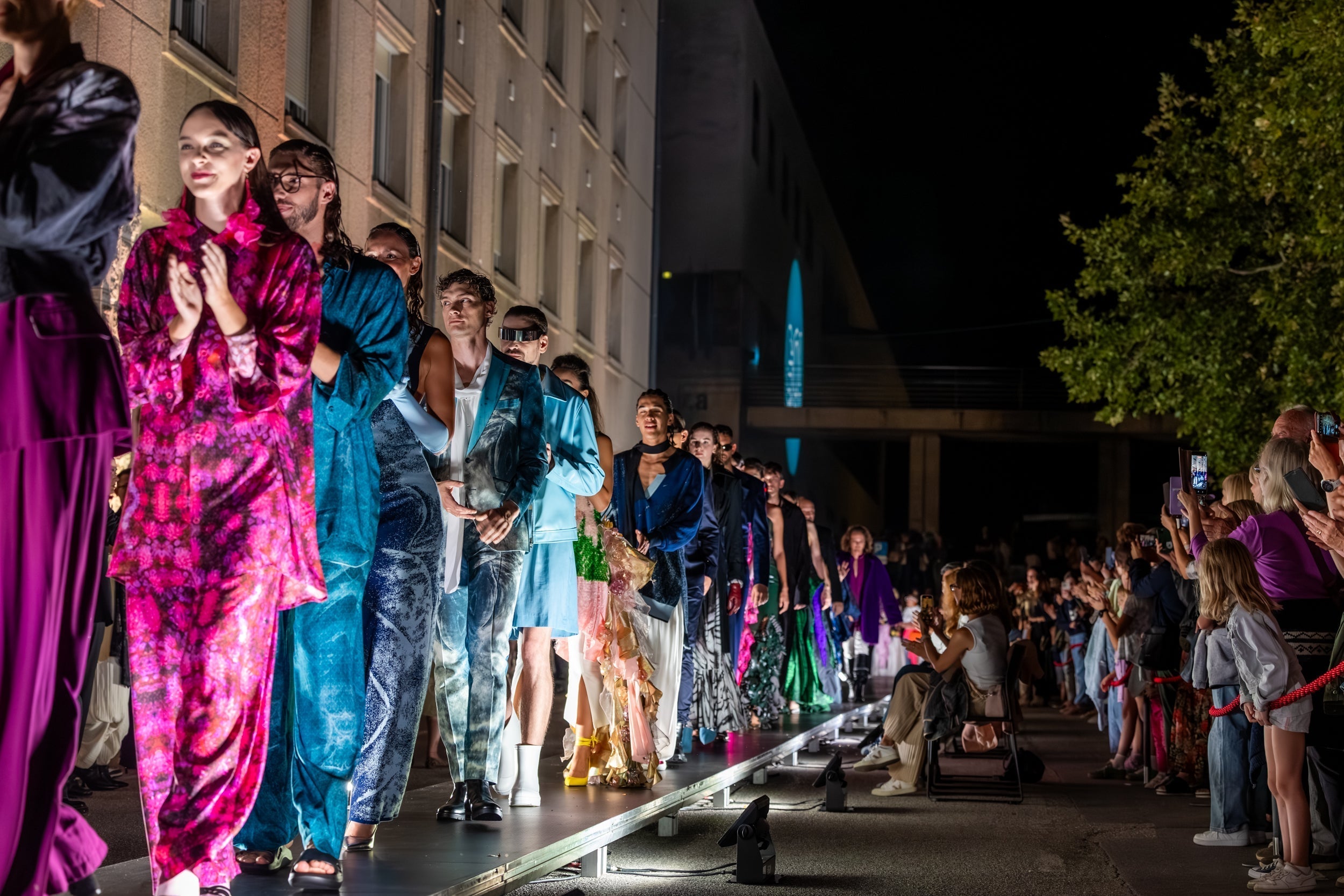
Benedetti Life: Vizija trajnostnega luksuza
Pri Benedetti Life trajnost ni trend – je temelj vsake kolekcije.
Blagovna znamka, ki jo je ustanovila oblikovalka Matea Benedetti, je bila s strani Sare Sozzani Maino iz Vogue Italia prepoznana med najbolj obetavnimi trajnostnimi modnimi blagovnimi znamkami na svetu in je postala znana po združevanju visoke mode z okoljsko odgovornostjo.
Z uporabo inovativnih rastlinskih materialov, načel oblikovanja brez krutosti in brezčasne izdelave Benedetti Life dokazuje, da je luksuz lahko tako ambiciozen kot tudi etičen.
Ker prihodnost mode ni zgolj v tem, kaj nosimo.
Gre za to, za kaj se zavzemamo.

Viri
- Vogue Business – Poročila o trajnosti in luksuzni modi
- Forbes – Prihodnost trajnostnega luksuza
- McKinsey & Company & Global Fashion Agenda, Fashion on Climate
- Program Združenih narodov za okolje (UNEP)
- Ellen MacArthur Foundation, A New Textiles Economy
- Svetovni sklad za naravo (WWF)
- Poročila o trajnosti Business of Fashion (BoF)