A €220 Blazer Is Not Luxury. Let’s Talk About It.
In today’s fashion media, the word “luxury” is used far too loosely. A €220 blazer is often described as “accessible luxury” or “affordable luxury,” but in reality, this language blurs the line between marketing and meaning.
True luxury in fashion is not defined by price alone—but it is also not detached from it. Price reflects craftsmanship, time, materials, and production reality. And when we break the industry into clear categories, the distinction becomes impossible to ignore.
According to reports from Business of Fashion, McKinsey & Company, and Vogue Business, the global fashion system is structured in layers that differ dramatically in quality, ethics, and production scale.
Let’s clarify what each level actually represents.
1. Fast Fashion (€5 – €80)
Fast fashion is built on speed, volume, and disposability.
Brands like Shein, Primark, and H&M basics produce massive quantities of clothing designed to follow micro-trends. These garments are typically made from low-cost synthetic fabrics such as polyester, acrylic, and viscose blends.
According to the United Nations Environment Programme (UNEP), fast fashion is one of the largest contributors to global textile waste and pollution.
Key characteristics:
-
Extremely low production costs
-
Synthetic, petroleum-based materials
-
Short garment lifespan
-
High environmental impact
-
Questionable labor conditions in global supply chains
The model is simple: produce, sell, discard, repeat.

2. High Street Fashion (€80 – €400)
This is where most “accessible luxury” confusion begins.
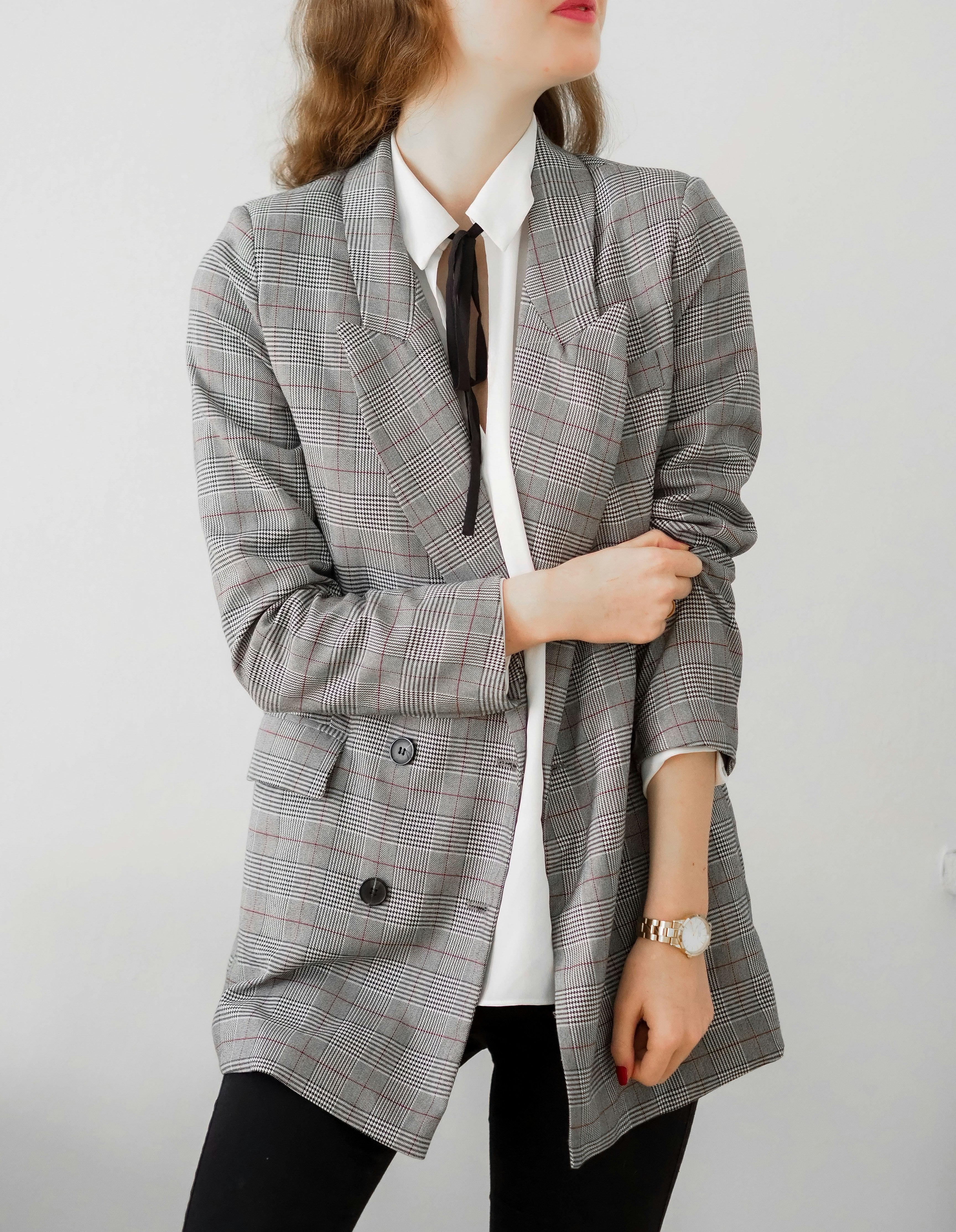
Brands such as Zara, Mango, and Massimo Dutti operate in this category. A €220 blazer from these labels does not represent luxury—it represents high street fashion.
While quality improves compared to fast fashion, production remains industrial and mass-scale.
Key characteristics:
-
Better fabric selection, but still mass-produced
-
Standardized sizing and patterns
-
Limited craftsmanship or artisanal work
-
Designed for seasonal consumption cycles
As noted by McKinsey’s State of Fashion report, high street brands rely heavily on trend responsiveness rather than longevity or exclusivity.
This is not luxury—it is optimized mass production.

3. Premium Fashion (€400 – €1,500)
Premium fashion often creates the illusion of luxury.
Here we find improved materials such as merino wool, silk blends, and higher-grade tailoring. Construction is more refined, and garments are designed to last longer.
However, production is still industrial and repeatable.
Key characteristics:
-
Higher-quality fabrics and finishing
-
More precise tailoring
-
Semi-limited collections, but still mass produced
-
No true artisanal exclusivity
Many consumers confuse this category with luxury—but in industry terms, it remains premium mass market.

4. Luxury Prêt-à-Porter (€1,500 – €8,000)
This is where true luxury begins.
Brands such as Saint Laurent, Gucci, Celine, and Alexander McQueen operate at this level, where craftsmanship, heritage, and design identity become central.
A luxury blazer in this category is often:
-
Made in Italy or France 🇮🇹🇫🇷
-
Constructed using high-grade wool, cashmere, or silk linings
-
Finished with significant handwork
-
Developed through multiple fittings and prototypes
According to Forbes Luxury Reports, luxury pricing reflects not only materials, but also design authorship, atelier labor, and brand heritage.
At this level, clothing becomes a cultural product—not just a garment.

5. Ultra-Luxury Prêt-à-Porter (€8,000 – €35,000)
Here, fashion becomes highly artisanal.
Brands such as Hermès, Chanel, Dior, and Brunello Cucinelli produce garments that may require 60–120 hours of handwork per piece.
Key characteristics:
-
Extensive hand-finishing
-
Rare, high-grade natural materials
-
Highly skilled atelier craftsmanship
-
Extremely limited production
These garments are often considered long-term investments due to their durability and craftsmanship integrity.
As reported by Business of Fashion, this segment represents the strongest intersection between heritage craftsmanship and modern luxury demand.

6. Haute Couture (€35,000+)
Haute couture is not ready-to-wear fashion—it is wearable art.
Defined by the Chambre Syndicale de la Haute Couture in Paris, couture pieces are:
-
Made entirely to measure
-
Hand-constructed from start to finish
-
Often require hundreds of hours of embroidery and detailing
-
Created in extremely limited quantities—sometimes only one piece per client
Materials may include rare textiles, hand embroidery, and bespoke structural construction.
In this category, fashion becomes sculpture, performance, and heritage combined.

7. Where Does Benedetti Life Fit in the Value Hierarchy?
When we talk about price vs. value in fashion, it is important to understand that true luxury pricing is not arbitrary—it reflects time, craftsmanship, materials, and responsibility embedded into each piece.
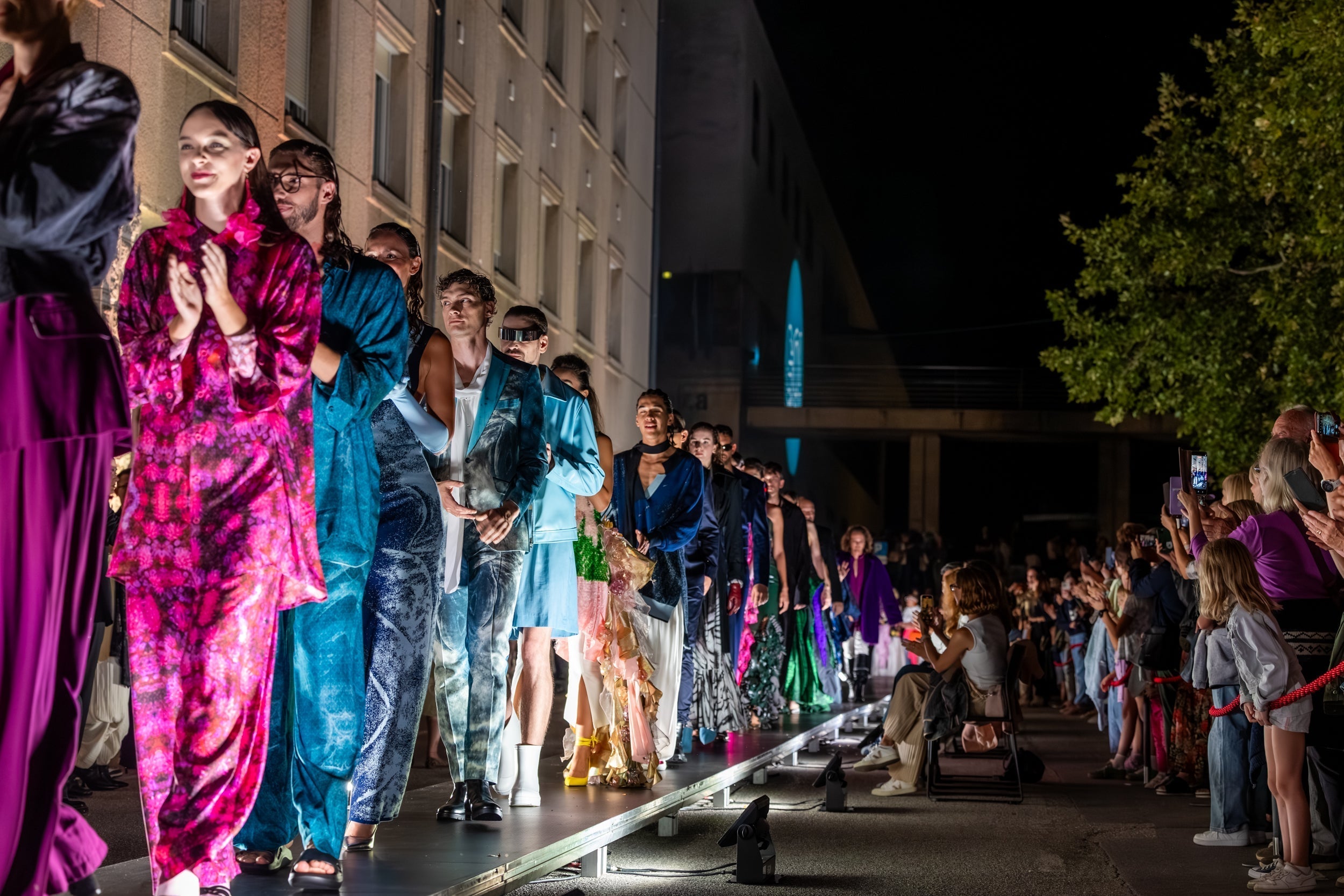
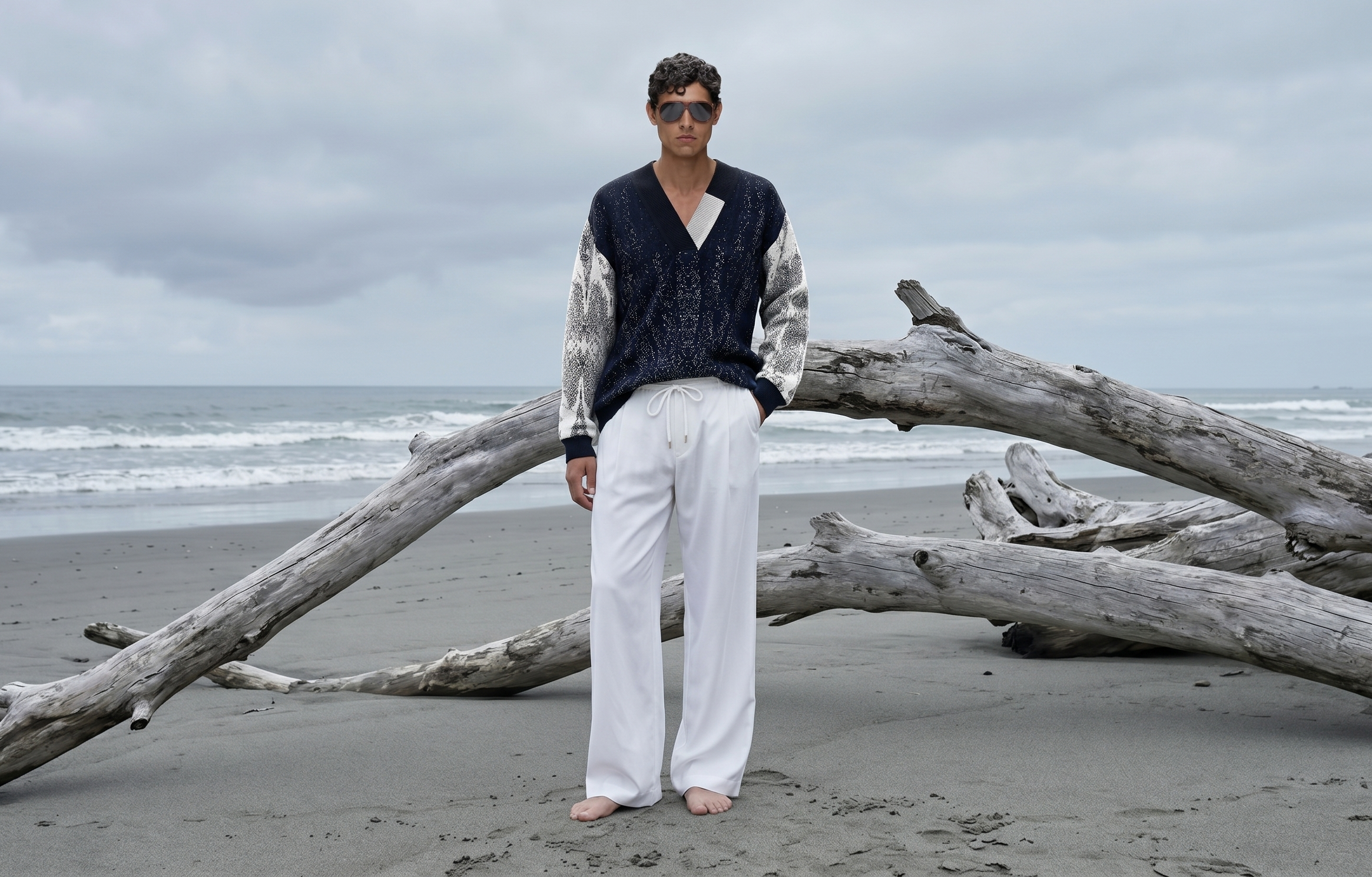
Within this framework, Benedetti Life sits firmly in the luxury prêt-à-porter and conscious couture segment (€1,500 – €8,000+), where garments are not defined by mass production, but by intention, craftsmanship, and ethical innovation.
Unlike high street or “premium” mass-market fashion, Benedetti Life does not operate on scale or repetition. Each piece is developed through:
-
Small-scale, responsible production
-
High-end tailoring and atelier-level construction
-
Innovative, animal-free luxury materials
-
Design processes focused on longevity rather than seasonal consumption
In contrast to a €220 blazer, which belongs to the high street category (industrial production, standardized patterns, and cost-optimized materials), Benedetti Life pieces reflect a fundamentally different economic and creative model.
Here, value is not created through branding language or “accessible luxury” positioning. It is created through:
-
Hours of skilled craftsmanship
-
Material innovation (plant-based, cruelty-free textiles)
-
Limited production runs
-
Long-term wearability and durability
As highlighted in Forbes Luxury Insights and Vogue Business reports, modern luxury consumers are increasingly shifting toward value-based luxury—where price is justified not by logo status, but by transparency, ethics, and lifespan.
In this context, Benedetti Life belongs to a new category:
conscious luxury couture, where the cost reflects not only exclusivity, but also responsibility toward people, animals, and the planet.
It is not positioned against luxury—it is aligned with its highest definition.

Why the €220 “Luxury Blazer” Misunderstanding Exists
The confusion is not accidental—it is strategic.
Marketing language has blurred category definitions to make mid-market products feel elevated. Terms like “premium,” “exclusive,” or “luxury-inspired” are often used without industry alignment.
But in reality, a €220 blazer reflects:
-
High street production systems
-
Industrial manufacturing
-
Standardized design
-
Cost-optimized materials and labor
It does not reflect craftsmanship at a luxury level.
As Vogue Business highlights, the modern consumer is increasingly sensitive to transparency and category clarity, especially as sustainability and ethics become central to purchasing decisions.
The Hidden Cost Behind Cheap Luxury Language
When fashion is underpriced relative to true production cost, the difference is absorbed elsewhere:
-
Lower wages in global supply chains
-
Environmental degradation from synthetic materials
-
Overproduction and unsold stock destruction
According to Ellen MacArthur Foundation, the fashion industry still operates largely on a linear “take-make-waste” model.
The real question is not “Is it affordable?” but rather:
“What is the true cost of this price?”
Final Thought: Luxury Has a Definition—Not a Marketing Strategy
Luxury is not a feeling created by branding. It is a system built on:
-
Time
-
Skill
-
Material integrity
-
Limited production
-
Human craftsmanship
A €220 blazer can be well-made, stylish, and useful—but calling it luxury distorts consumer understanding and devalues true craftsmanship.
Clarity matters.
Because in fashion, words shape perception—and perception shapes the future of the industry.
Sources
-
Business of Fashion (BoF) – Luxury and market segmentation reports
-
McKinsey & Company – The State of Fashion reports
-
Vogue Business – Fashion transparency and consumer trends
-
United Nations Environment Programme (UNEP) – Fashion environmental impact
-
Ellen MacArthur Foundation – Circular economy in fashion
-
Forbes – Global luxury industry analysis