Regenerative Fashion: Why It’s Better for the Planet—and the Future of Style
Fashion is changing.
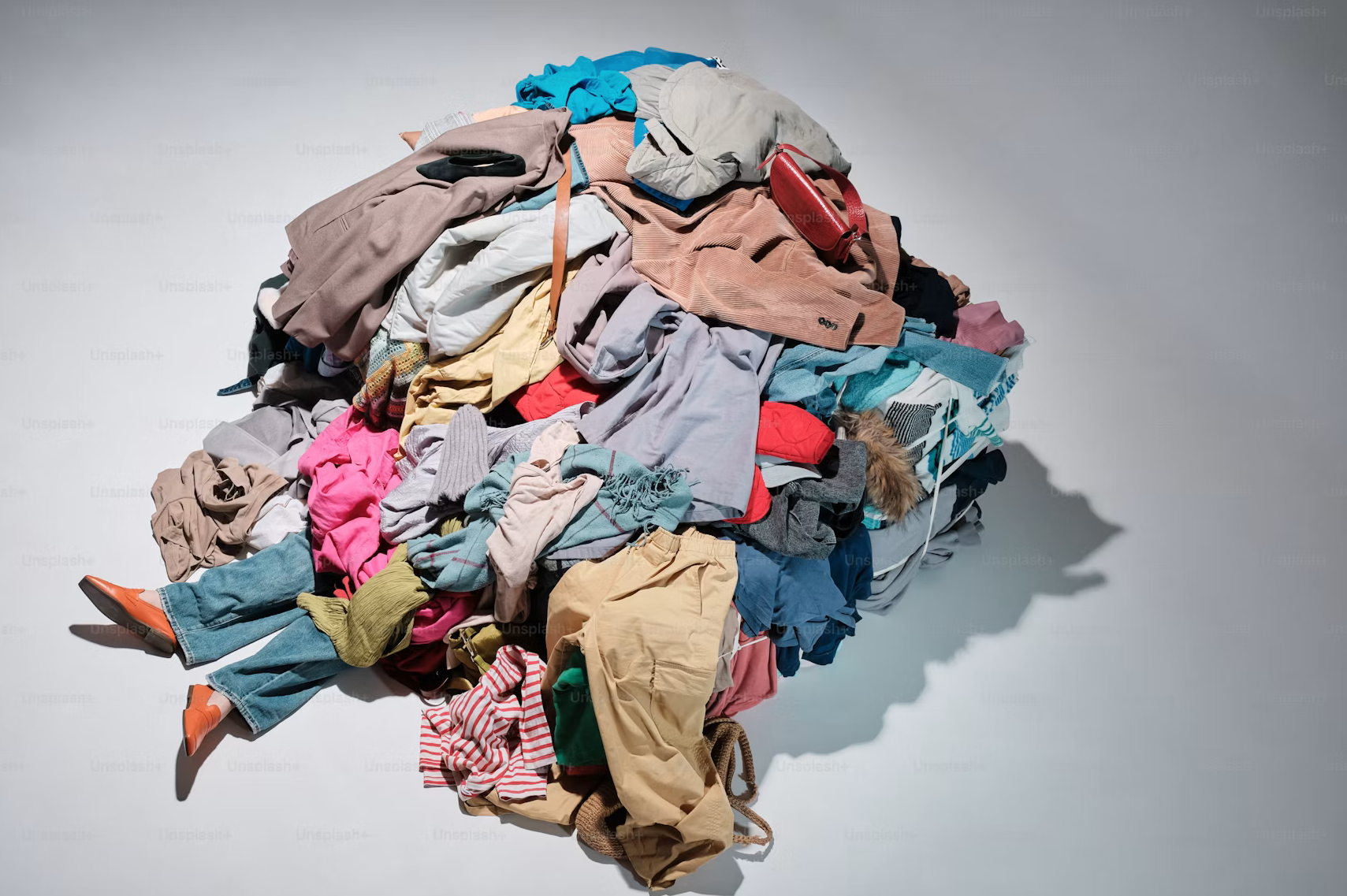
For decades, the industry focused on producing more, faster, and cheaper. While this approach made clothing widely accessible, it also contributed to environmental challenges, including resource depletion, waste, and carbon emissions.
Today, a new generation of brands, designers, and consumers is asking a different question:
How can fashion create a positive impact on the planet while still delivering beautiful, high-quality products?
The answer increasingly lies in botanical and regenerative fashion.

Beyond Sustainability: What Is Regenerative Fashion?
Sustainability aims to reduce harm.
Regenerative fashion goes a step further.
Rather than simply minimizing environmental impact, regenerative practices seek to restore ecosystems, improve soil health, support biodiversity, and strengthen farming communities.
According to the nonprofit organization Textile Exchange, regenerative agriculture can improve soil health, increase biodiversity, enhance water retention, and help sequester carbon from the atmosphere. These practices are gaining attention as fashion brands search for more responsible ways to source natural materials.
In other words, regenerative fashion is not just about doing less damage. It's about creating positive outcomes.
Why Botanical Materials Matter
The materials we choose have a significant impact on the environment.
According to the United Nations Environment Programme, the fashion industry is responsible for a substantial share of global greenhouse gas emissions and resource consumption. Much of that impact begins with raw materials.
This is why botanical innovations are becoming increasingly important.
Across the fashion industry, designers and material innovators are developing alternatives derived from plants, agricultural by-products, and renewable resources. Materials inspired by olives, cactus, pineapple leaves, mushrooms, and other botanical sources are opening new possibilities for fashion that is both innovative and environmentally conscious.
These materials represent a shift away from resource-intensive production models toward solutions inspired by nature's own intelligence.
Innovation Is Driving a New Era of Fashion
Some people still view sustainable fashion as a compromise.
The data suggests otherwise.
Research from Harvard Business School found that companies introducing climate-related innovations and solutions often experience stronger revenue growth than comparable businesses that do not pursue these opportunities. Innovation focused on environmental challenges is increasingly becoming a driver of growth rather than a limitation.
The same principle applies to fashion.
Forward-thinking brands are discovering that innovation, sustainability, and business success can work together. Consumers are increasingly interested in products that combine quality, craftsmanship, transparency, and environmental responsibility.
The future belongs to brands that can deliver all four.
A New Definition of Quality
For generations, quality was judged primarily by appearance, durability, and craftsmanship.
Those qualities still matter.
But today's consumers are adding new questions:
Where did this material come from?
How was it produced?
What impact does it have on the environment?
What story does it tell?
Botanical and regenerative fashion provide meaningful answers.
When products are created from responsibly sourced materials and supported by regenerative practices, they offer something increasingly valuable: a connection between style, innovation, and purpose.
The Benedetti Life Perspective
At Benedetti Life, we believe fashion should evolve alongside our understanding of the world around us.
Nature has always been a source of inspiration for design.
Today, it is becoming a source of innovation as well.
Botanical materials and regenerative practices represent an exciting opportunity to rethink how fashion is created—not by sacrificing beauty or craftsmanship, but by enhancing them through thoughtful choices.
The future of fashion is not simply about reducing impact.
It is about creating products that contribute to a healthier relationship between people, materials, and the planet.
Because the most meaningful style isn't just about how something looks.
It's about the positive legacy it leaves behind.